An introduced botanical paradise seen on holiday in Aotearoa New Zealand

Achillea millefolium (Yarrow) was the first familiar medicinal plant to proudly show itself to me on the 1st day of a recent six day campervan trip from Christchurch to the west coast of Te Waipounamu (the South Island), of Aotearoa New Zealand. Growing and flowering prolifically along the roadside and beyond as we ventured inland towards Arthurs Pass, I wished I could have stayed another night in the campsite, and had the chance to harvest a decent batch.

Yarrow is a great plant to have nearby. So also apparently thought the Greek warrior Achilles, who is said to have applied its leaves and flowers topically to the sword and arrow wounds of his soldiers after battle, to close and heal their wounds. It is widely utilized in the traditional medicine of cultures from Europe to Asia to north America for numerous health conditions. They include spasmodic digestive and gynaecological complaints, and as a febrifuge and antimicrobial for fevers and infections(1). Relief from period pain was reported after drinking three cups of yarrow tea daily on days one to three of the menstrual cycle, in a clinical trial with 91 students aged 19-23(2).

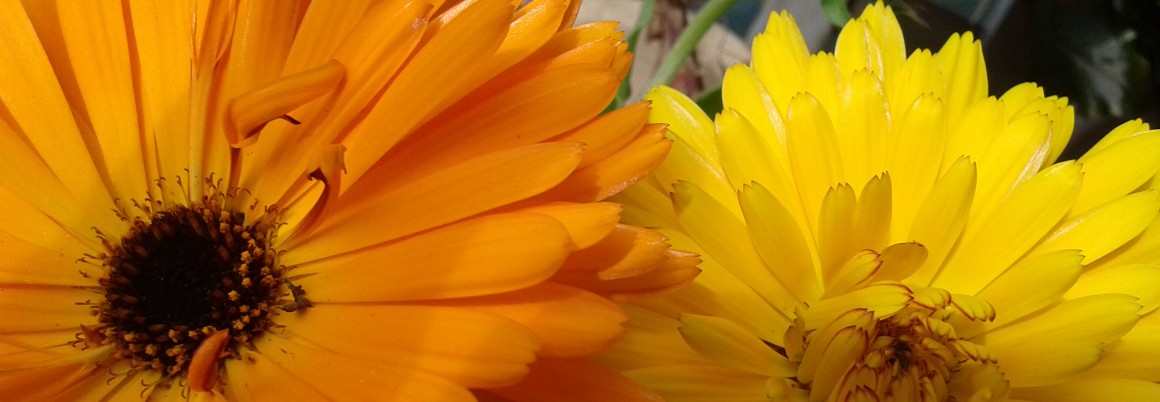
Eschscholztia californica was a pretty poppy that called out with its bright yellow and orange flowers, in many roadside and dry gravelly patches throughout our journey. Related botanically to its opium-producing cousin, also seen in a couple of places thanks to the early Chinese goldminers of central Otago, Californian poppy is now a popular remedy for anxiety, insomnia and mild pain. My application of it however, has mainly been in patients withdrawing from substance dependency(3).

The amount of St John’s Wort (Hypericum perforatum) thriving in numerous locations in the Hawea, Wanaka and Queenstown districts and in other areas throughout our journey, was quite eye opening. I first wildcrafted and grew Hypericum as a student in the UK, and have dispensed it extensively within herbal formulations over the past 30 years.  A powerful antidepressant, antimicrobial and anti-inflammatory, with a multitude of applications both topically and internally.   

Mullein (Verbascum thapsus) was another one, appearing unexpectantly upon rounding many corners on sloping, dry hillbanks, with its distinctive upright stems poking towards the sky. As an invasive plant in many pastures and fields of rural New Zealand, with a rich content of polysaccharide hydrocolloids and other expectorant and anti-inflammatory phytochemicals, its long historical use as a lung tonic and for the management of upper respiratory tract infections, warrants more attention. While it’s a lot of work to harvest and dry the large lightweight leaves, it makes a great cough formula ingredient. The flowers and roots, also have established medicinal properties(4).

And then the rosehips. Through Lindis Pass into the upper Waitaki Valley as well as at the start of Arthurs Pass, fields and fields of them, dominated many parts of the landscape. Rosehips (Rosa canina) are probably best known for their vitamin C content, and in the 1940’s, locals from Otago and Southland wildcrafted the hips and sold them to the Greggs factory in Dunedin to manufacture syrups and powder forms. Rosehips were similarly wildcrafted in Britain during World War Two, and its syrup given to children and troops to prevent scurvy. 

Several clinical trials have reported efficacy of rosehip powder or extracts for the symptomatic treatment of osteoarthritis(5-7). Inhibitory effects against both cyclo-oxygenase 1 and 2 (COX-1 and COX-2) enzymes may contribute to these benefits(8, 9 ). Other traditional indications are for kidney stones, UTI’s and digestive ailments, and its oil is a popular application for skin health. Rosehips have antioxidant, anti-inflammatory, anti-obesity, anti-cancer, hepatoprotective, nephroprotective, cardioprotective, anti-aging, anti H. pylori, neuroprotective and antinociceptive activities(10).

Finally, heading back into Canterbury, the presence of Elder trees (Sambucus nigra), made themselves known upon the landscape. I made many batches of wine using Elder berries or flowers I wildcrafted when living in the U.K. many years ago, although it is a less common albeit somewhat invasive species here and prefers the cooler south rather than north island.  

Elder flowers are a great decongestant, and its berries rich in antioxidant anthocyanins and other anti-inflammatory polyphenols and vitamin C (11). Global demand greatly outstripped supply during the Covid-19 pandemic, due to its alleged antiviral properties (12, 13).

Many other established or invasive medicinal plants were seen during our journey, though most of these didn’t cry out so much to me.  It was the ones that I don’t see as much in the north island where I live, that served to remind me of the enormous geographical and botanical diversity that is characteristic of the Aotearoa New Zealand landscape.

And of course the extent and variety of our own native species was absolutely awe-inspiring, as it has been every time I’ve travelled on the west coast. The dominance of rātā (Metrosideros robusta) with its beautiful red flowers blanketing out in so many locations from within the dominant native beech forests (Nothofagus spp), was truly stunning.

We live in a country where there are bountiful supplies of medicinal plants. From many perspectives including those based upon invasive plant and land management, biodiversity, sustainability, economics and ultimately health outcomes, we should use more of them.

References:

  1. Ali SI, Gopalakrishnan B, Venkatesalu V. Pharmacognosy, Phytochemistry and Pharmacological Properties of Achillea millefolium L.: A Review. Phytother Res. 2017 Aug;31(8):1140-116
  2. Jenabi E, Fereidoony B. Effect of Achillea Millefolium on Relief of Primary Dysmenorrhea: A Double-Blind Randomized Clinical Trial. J Pediatr Adolesc Gynecol. 2015 Oct;28(5):402-4.
  3. Rasmussen PL, A Role for Phytotherapy in the Treatment of Benzodiazepine and Opiate Drug Withdrawal; Part 2, Treatment Approaches to Opiate Withdrawal, and Conclusions. Eur J Herbal Med, 1997; 13-10.
  4. Gupta A, Atkinson AN, Pandey AK, Bishayee A. Health-promoting and disease-mitigating potential of Verbascum thapsus L. (common mullein): A review. Phytother Res. 2022 Apr;36(4):1507-1522. 
  5. Rasmussen PL, Rosehip for Osteoarthritis. Phytonews 24, February 2006; published by Phytomed Medicinal Herbs Ltd, Auckland, New Zealand. ISSN 1175-0251.
  6. Christensen R, Bartels EM, Altman RD, Astrup A, Bliddal H. Does the hip powder of Rosa canina (rosehip) reduce pain in osteoarthritis patients?–a meta-analysis of randomized controlled trials. Osteoarthritis Cartilage. 2008 Sep;16(9):965-72. 
  7. Gruenwald J, Uebelhack R, Moré MI. Rosa canina – Rose hip pharmacological ingredients and molecular mechanics counteracting osteoarthritis – A systematic review. Phytomedicine. 2019 Jul;60:152958. 
  8. Jäger AK, Eldeen IM, van Staden J. COX-1 and -2 activity of rose hip. Phytother Res. 2007 Dec;21(12):1251-2. 
  9. Rasmussen PL, Rosehip acts as a cyclo-oxygenase inhibitor. Phytonews 29, June 2008; published by Phytomed Medicinal Herbs Ltd, Auckland, New Zealand. ISSN 1175-0251.
  10. Ayati Z, Amiri MS, Ramezani M, Delshad E, Sahebkar A, Emami SA. Phytochemistry, Traditional Uses and Pharmacological Profile of Rose Hip: A Review. Curr Pharm Des. 2018;24(35):4101-4124.
  11. Stępień AE, Trojniak J, Tabarkiewicz J. Health-Promoting Properties: Anti-Inflammatory and Anticancer Properties of Sambucus nigra L. Flowers and Fruits. Molecules. 2023 Aug 24;28(17):6235.
  12. Wieland LS, Piechotta V, Feinberg T, Ludeman E, Hutton B, Kanji S, Seely D, Garritty C. Elderberry for prevention and treatment of viral respiratory illnesses: a systematic review. BMC Complement Med Ther. 2021 Apr 7;21(1):112.
  13. Boroduske A, Jekabsons K, Riekstina U, Muceniece R, Rostoks N, Nakurte I. Wild Sambucus nigra L. from north-east edge of the species range: A valuable germplasm with inhibitory capacity against SARS-CoV2 S-protein RBD and hACE2 binding in vitro. Ind Crops Prod. 2021 Jul;165:113438.  

Rosemary – a herbal protector

Introduction

Rosemary (Rosmarinus officinalis, now known as Salvia Rosmarinus) is a well known plant commonly found in gardens and parks around the world. Its strongly aromatic leaves and prolific flowers are a magnet to bees and other pollinating insects, and its traditional culinary applications are widely embraced.

Medicinal properties of rosemary are of course also substantial, and ancient texts extol many virtues.  In The Physicians of Myddfai, a compilation of medieval recipes written in the 13th century at Myddfai in south Wales, it says of rosemary: “by washing each morning with the decoction and allowing it to dry naturally, the aged will retain a youthful look as long as they live”.

These appealing claims reflect rosemary’s antioxidant actions and multiple influences on cellular degradation and aging processes, and indicate the likely presence of other benefits when taken internally on a regular basis. In fact research is increasingly revealing its protective effects against many negative influences on health.

Protection against environmental toxins

Rosemary’s rich content of triterpene and other phenolic acid constituents such as rosmarinic, olenolic and ursolic acids contribute to its antioxidant and many antimicrobial activities. These help protect meat(1, 2), dairy products(3), fish(4,5) and other foods against spoilage and vegetable oils against oxidation(6). Apart from being a flavour enricher, these are longstanding traditional uses.

Toxic compounds released or deposited within the soil, air or waterways by human activities are now being revealed by more and more science, as having harmful outcomes on living organisms and their environment.

Heavy metals such as cadmium and lead are amongst these, and are widely distributed in the environment as a result of mining and combustion emissions. Rosemary protects against liver damage due to both of these, and against kidney damage from lead exposure(7, 8). Addition of rosemary to fresh water reduces cadmium accumulation in the tissues of freshwater fish, and associated oxidative stress(9). Washing fish in a rosemary solution, has been reported to reduce lead content(10). Applications to remove lead from wastewater, have also been suggested(11).

Such protective actions against toxic environmental contaminants have recently been extended to a remediation ability for rosemary against accumulation of cadmium and lead in a busy urban environment.  Rosemary plants inoculated with a mycorrhizal fungus (Funneliformis mosseae) thrived in cadmium and lead contaminated soils, and mitigated urban traffic pollution in dense traffic conditions(12).

Carnosic acid, another polyphenolic compound found in rosemary, shows a dose-related protective effect against neurotoxicity induced by dieldrin, an organochlorine pesticide implicated in neurological conditions such as Parkinson’s disease(13).

Antispasmodic, anti-histaminic and anti-allergic actions on the respiratory tract, have recently been demonstrated for several rosemary constituents, including rosmarinic, carnosic and ursolic acids, rosmanol and carnosol(14). Airborne environmental pollutants are becoming increasingly linked with a diverse array of chronic health conditions in humans, and these actions are therefore relevant.

Given its many chemopreventive properties against harmful environmental toxins, it is hardly surprising that rosemary constituents such as rosmarinic and carnosic acids have demonstrated effective anti-proliferative properties against various cancers, and are the subject of research to develop new cancer treatments(15, 16). Potential synergistic effects with certain anti-cancer drugs, have also been suggested from in vitro and pre-clinical studies(17).

Reducing harm from lifestyle factors

Many diets and lifestyles in the 21st century are associated with conditions such as liver disorders, weight gain, cardiovascular disease and diabetes type 2. As such, plant-based interventions to help reduce some of the negative health impacts of a poor diet or sedentary lifestyle, and provide an element of prevention against these highly prevalent medical conditions, are of interest.

Many benefits were reported following administration of a rosemary extract to young rats feed a high fat western style diet(18). These included reduced liver fat, liver cholesterol and triglycerides and increased plasma levels of HDL cholesterol.  Rats fed high doses of rosemary extract also had increased fasting plasma concentrations of Glucagon-like peptide-1 (GLP-1), suggesting possible benefits in weight management and diabetes. Modulation of the gut microbiota composition also occured.

Amelioration of the neurotoxic effects of the food flavour enhancer monosodium glutamate, has been reported in animal studies(19).

The various pharmacological effects of rosemary and its key constituents, also  align well with a potential role in the management of metabolic syndrome, a constellation of complex coexisting cardiometabolic risk factors such as hyperglycemia, dyslipidemia, inflammation, abdominal obesity, vascular disorders and hypertension that raise the risk of diabetes mellitus and cardiovascular disease(20). Protection against nephropathy in diabetic rats, and enhancement of the nephroprotective effects of insulin, has been reported following supplementation with rosemary oil(21).

Many studies have now shown hepatoprotective effects for rosemary(22-24). A combination of rosemary with hawthorn protected against alcoholic liver disease, in a rat model(25).

Collectively, these studies suggest protective effects on several common conditions related to obesity, excess alcohol or poor diets.

Protecting male fertility

Declining human fertility is a growing concern in recent decades. While reasons for this are numerous, exposure to airborne pollutants and environmental toxins such as microplastics and nanoplastics and synthetic insecticides, are known contributory factors(26, 27).

Recent research showing that a forty five day pretreatment with rosemary leaf extract alleviated the damaging effects on the adrenal glands and testes following exposure to the synthetic pesticide cypermethrin, are promising. Restoration of spermatogenesis (sperm cell production) was also reported(28). Previous work found co-administration of rosemary with etoposide reduced the extent of testicular injury and DNA damage induced by this antineoplastic drug in male rats(29). These studies suggest a potential by rosemary to guard against infertility, as an outcome of chemotherapy or environmental toxin exposure.

References:

  1. Gavriil A, Zilelidou E, Papadopoulos AE, et al. Evaluation of antimicrobial activities of plant aqueous extracts against Salmonella Typhimurium and their application to improve safety of pork meat. Sci Rep. 2021;11(1):21971.
  2. Olivas-Méndez P, Chávez-Martínez A, Santellano-Estrada E, et al. Antioxidant and Antimicrobial Activity of Rosemary (Rosmarinus officinalis) and Garlic (Allium sativum) Essential Oils and Chipotle Pepper Oleoresin (Capsicum annum) on Beef Hamburgers. Foods. 2022;11(14):2018.
  3. Gad, A. and Sayd, A. (2015) Antioxidant Properties of Rosemary and Its Potential Uses as Natural Antioxidant in Dairy Products—A Review. Food and Nutrition Sciences6, 179-193.
  4. Aala J, Ahmadi M, Golestan L, Shahidi SA, Shariatifar N. Effect of multifactorial free and liposome-coated of bay laurel (Laurus nobilis) and rosemary (Salvia rosmarinus) extracts on the behavior of Listeria monocytogenes and Vibrio parahaemolyticus in silver carp (Hypophthalmichthys molitrix) stored at 4 °C. Environ Res. 2023;216(Pt 2):114478.
  5. Abd El-Fatah RA, Rozan MA, Ziena HM, et al. Improvement of Microbial Quality, Physicochemical Properties, Fatty Acids Profile, and Shelf Life of Basa (Pangasius bocourti) Fillets during Chilling Storage Using Pepsin, Rosemary Oil, and Citric Acid. Foods. 2023;12(22):4170.
  6. Song X, Sui X, Jiang L. Protection Function and Mechanism of Rosemary (Rosmarinus officinalis L.) Extract on the Thermal Oxidative Stability of Vegetable Oils. Foods. 2023;12(11):2177. 
  7. Mężyńska M, Brzóska MM. Review of polyphenol-rich products as potential protective and therapeutic factors against cadmium hepatotoxicity. J Appl Toxicol. 2019;39(1):117-145
  8. Mohamed WA, Abd-Elhakim YM, Farouk SM. Protective effects of ethanolic extract of rosemary against lead-induced hepato-renal damage in rabbits. Exp Toxicol Pathol. 2016;68(8):451-461.
  9. Al-Anazi MS, Virk P, Elobeid M, Siddiqui MI. Ameliorative effects of Rosmarinus officinalis leaf extract and Vitamin C on cadmium-induced oxidative stress in Nile tilapia Oreochromis niloticus. J Environ Biol. 2015;36(6):1401-1408.
  10. Salim A, Hassanin MA, Zohair A. A simple procedure for reducing lead content in fish. Food Chem Toxicol. 2003;41(4):595-597. doi:10.1016/s0278-6915(02)00259-4
  11. Zarrabi A, Ghasemi-Fasaei R. Preparation of green synthesized copper oxide nanoparticles for efficient removal of lead from wastewaters. Int J Phytoremediation. 2022;24(8):855-866.
  12. Alinejad Z, Abtahi SA, Jafarinia M, Yasrebi J. The impact of arbuscular mycorrhizal symbiosis, Funneliformis mosseae, on rosemary phytoremediation ability under urban traffic. Int J Phytoremediation. 2024;26(2):250-262.
  13. Park JA, Kim S, Lee SY, et al. Beneficial effects of carnosic acid on dieldrin-induced dopaminergic neuronal cell death. Neuroreport. 2008;19(13):1301-1304.Atef RM, Abdel Fattah IO, Mahmoud OM, Abdel-Rahman GM, Salem NA. Protective effects of Rosemary extract and/or Fluoxetine on Monosodium Glutamate-induced hippocampal neurotoxicity in rat. Rom J Morphol Embryol. 2021;62(1):169-177.
  14. Farhadi F, Baradaran Rahimi V, Mohamadi N, Askari VR. Effects of rosmarinic acid, carnosic acid, rosmanol, carnosol, and ursolic acid on the pathogenesis of respiratory diseases. Biofactors. 2023;49(3):478-501.
  15. Sirajudeen F, Bou Malhab LJ, Bustanji Y, et al. Exploring the Potential of Rosemary Derived Compounds (Rosmarinic and Carnosic Acids) as Cancer Therapeutics: Current Knowledge and Future Perspectives. Biomol Ther (Seoul). 2024;32(1):38-55.
  16. Bouammali H, Zraibi L, Ziani I, et al. Rosemary as a Potential Source of Natural Antioxidants and Anticancer Agents: A Molecular Docking Study. Plants (Basel). 2023;13(1):89.
  17. Bouzas A, Gómez de Cedrón M, Colmenarejo G, et al. Phenolic diterpenes from Rosemary supercritical extract inhibit non-small cell lung cancer lipid metabolism and synergise with therapeutic drugs in the clinic. Front Oncol. 2022; Nov 9:12:1046369.
  18. Madsen S, Bak SY, Yde CC, et al. Unravelling Effects of Rosemary (Rosmarinus officinalis L.) Extract on Hepatic Fat Accumulation and Plasma Lipid Profile in Rats Fed a High-Fat Western-Style Diet. Metabolites. 2023;13(9):974.
  19. Hassani FV, Shirani K, Hosseinzadeh H. Rosemary (Rosmarinus officinalis) as a potential therapeutic plant in metabolic syndrome: a review. Naunyn Schmiedebergs Arch Pharmacol. 2016;389(9):931-949.
  20. Fareed SA, Yousef EM, Abd El-Moneam SM. Assessment of Effects of Rosemary Essential Oil on the Kidney Pathology of Diabetic Adult Male Albino Rats. Cureus. 2023;
  21. al-Sereiti MR, Abu-Amer KM, Sen P. Pharmacology of rosemary (Rosmarinus officinalis Linn.) and its therapeutic potentials. Indian J Exp Biol. 1999;37(2):124-130.
  22. Hegazy AM, Abdel-Azeem AS, Zeidan HM, Ibrahim KS, Sayed EE. Hypolipidemic and hepatoprotective activities of rosemary and thyme in gentamicin-treated rats. Hum Exp Toxicol. 2018;37(4):420-430.
  23. Guimarães NSS, Ramos VS, Prado-Souza LFL, et al. Rosemary (Rosmarinus officinalis L.) Glycolic Extract Protects Liver Mitochondria from Oxidative Damage and Prevents Acetaminophen-Induced Hepatotoxicity. Antioxidants (Basel). 2023;12(3):628.
  24. Martínez-Rodríguez JL, Gutiérrez-Hernández R, Reyes-Estrada CA, et al. Hepatoprotective, Antihyperlipidemic and Radical Scavenging Activity of Hawthorn (Crataegus oxyacantha) and Rosemary (Rosmarinus officinalis) on Alcoholic Liver Disease. Altern Ther Health Med. 2019;25(4):54-63.
  25. Atef RM, Abdel Fattah IO, Mahmoud OM, Abdel-Rahman GM, Salem NA. Protective effects of Rosemary extract and/or Fluoxetine on Monosodium Glutamate-induced hippocampal neurotoxicity in rat. Rom J Morphol Embryol. 2021;62(1):169-177.
  26. He Y, Yin R. The reproductive and transgenerational toxicity of microplastics and nanoplastics: A threat to mammalian fertility in both sexes. J Appl Toxicol. 2024;44(1):66-85.
  27. Liu J, Dai Y, Li R, Yuan J, Wang Q, Wang L. Does air pollution exposure affect semen quality? Evidence from a systematic review and meta-analysis of 93,996 Chinese men. Front Public Health. 2023;11:1219340.
  28. Ali Hasan S, Al-Rikaby AA. Evaluating the Influence of Rosemary Leaves Extract on Hormonal and Histopathological Alterations in Male Rabbits Exposed to Cypermethrin. Arch Razi Inst. 2023;78(3):797-805.Ramadan KS, Khalil OA, Danial EN, Alnahdi HS, Ayaz NO. Hypoglycemic and hepatoprotective activity of Rosmarinus officinalis extract in diabetic rats. J Physiol Biochem. 2013;69(4):779-783. 
  29. Tousson E, Bayomy MF, Ahmed AA. Rosemary extract modulates fertility potential, DNA fragmentation, injury, KI67 and P53 alterations induced by etoposide in rat testes. Biomed Pharmacother. 2018;98:769-774.

WITHANIA: A USEFUL ADJUNCT WITH ANTIPSYCHOTIC MEDICATIONS

Antipsychotic drugs are strong medicines, and while they can successfully alleviate symptoms of psychosis and prevent relapse of schizophrenia and related conditions, like all drugs they are not without side effects.

There are two types of antipsychotics, older generation ones such as chlorpromazine or haloperidol developed in the 1960s, and so called ‘atypical’ antipsychotics such as olanzapine, clozapine and quetiapine developed in the 1990s, with a different side effect profile. While atypical newer generation antipsychotics are less likely than older generation ones to produce the extrapyramidal or Parkinson’s disease-like side effects, they can cause weight gain and precipitate or worsen metabolic syndrome or diabetes, and both types increase the risk of sudden cardiac death. Over-use and mis-use of antipsychotics is also of growing concern in the elderly(1).

Despite these risks, in a world in which the incidence and predominance of mental health conditions is rising, prescribing rates for antipsychotic drugs are increasing. Nearly seven million Americans take antipsychotic medications, and a recent study revealed a 49% rise in the use of anti-psychotic drugs by New Zealanders between 2008 and 2015. New Zealanders are now 60% more likely to be prescribed such drugs than Australians, with one in 36 New Zealand adults, or 2.81% of the population, being prescribed antipsychotic medication in 2015(2).

This recent New Zealand study also suggests that in a significant and probably increasing number of cases, these strong prescription-only drugs are being used to help with stress and associated sleep problems, rather than for their primary indication for conditions such as schizophrenia and bipolar disorders. Such ‘off label’ uses for prescription-only antipsychotics such as olanzapine, is something that has landed pharmaceutical companies in court in the U.S., in a number of prominent cases.

Herbal medicine offers an array of potential treatments for insomnia and stress-related conditions(3). One of the most suitable of these is Withania somnifera (Withania), known as Ashwagandha in India. The roots of Withania have a subtle but powerful nervous system and adrenal tonic action which insulates the nervous system from stress, enabling it to be better prepared to respond appropriately to the ‘fight or flight’ response. Many studies now support its applications for stress-associated anxiety conditions, including several human clinical trials(3).

Another possible application for Withania became apparent recently, through an American clinical trial where it was used as an adjunctive treatment alongside antipsychotic drug treatment in patients with schizophrenia(4). A total of 66 patients who had recently experienced an exacerbation of their schizophrenia symptoms, were given Withania or placebo alongside their usual antipsychotic drug medications, for a 12 week period. Outcomes were change from baseline to end of treatment on the “Positive and Negative Syndrome Scale” (PANSS), which measures total, positive, negative, and general symptoms of schizophrenia, and indices of stress and inflammation.

Patients given Withania were significantly more likely to achieve at least 20% improvements in PANSS negative, general, and total symptom scores, but not positive symptom scores, compared to those assigned to placebo. They also showed a significant improvement in stress scores compared to placebo. Additionally, only two of the Withania-treated subjects required an increase in their antipsychotic drug dosage, whereas nine of the placebo-assigned subjects either had their antipsychotic drug dosage increased or had a second antipsychotic drug added. These improvements were first noted at 4 weeks, and continued through the 12-week study period.

This is not the first time that Withania has been shown to be useful when taken alongside antipsychotic drugs. A one month clinical trial involving 30 schizophrenia patients with metabolic syndrome who had taken second generation antipsychotics for more than 6 months, found that adding Withania to their normal antipsychotic medication reduced serum triglycerides and fasting blood glucose, thus improving these metabolic syndrome symptoms(5).

Apart from Withania, clinical trials have shown appropriate doses of other high quality herbal medicines to benefit patients receiving antipsychotic drugs. Ginkgo was found to both increase the response rate to haloperidol when taken alongside it for 12 weeks(6), and to reduce the incidence of extrapyramidal side effects(7, 8). Similar effects have also been reported using Ginkgo alongside olanzapine(9).

Another U.S. study has shown American Ginseng (Panax quinquefolium) to have positive effects on memory function in individuals with schizophrenia, and to reduce the occurrence of extrapyramidal symptoms in patients on antipsychotic medications(10).

While underlying reasons for the high and increasing level of antipsychotic drug use in New Zealand and other countries should be further examined and addressed, clinical trials suggest that adjunctive herbal medicines such as Withania, Ginkgo and American ginseng, can play a role to help reduce some of the adverse events, and improve their response rates. Larger and longer term trials, are warranted.

References:
1. Bjerre LE; Canadian Fam Physician 2018; 64(1):17-27
2. Wilkinson S, Mulder RT. NZ Med J 2018 Aug 17; 131(1480):61-67.
3. Rasmussen PL, Feb 2017; Why Herbs should be the first choice of treatment for acute    anxiety. http://www.herbblurb.com
4. Chengappa KNR et al, J Clin Psychiatry 2018 Jul 10;79(5).
5. Agnihotri AP et al, Indian J Pharmacol 2013; Jul-Aug;45(4):417-8
6. Zhang XY et al, Psychopharmacology 2006; 188(1):12-17.
7. Zhang XY et al, J Clin Psychiatry 2001; 62(11):878-883.
8. Chen X et al, Psychiatry Res 2015; 228(1):121-127.
9. Atmaca M et al, Psychiatry Clin Neurosci 2005; 59(6):652- 656.
10. Chen EY et al, Phytother Res. 2012 Aug;26(8):1166-72

Herbs and Cancer

A diagnosis of cancer is a highly stressful experience and increasingly, a common reason for people to consult a medical herbalist. With ongoing environmental exposures to carcinogenic agents, genetic predispositions and aging populations, this is likely to continue in coming decades.

Pharmaceutical company expenditure on research into new cancer drugs far outweighs that spent on developing new antibiotics or antidepressants, and advances in diagnosis, surgery, chemotherapy, radiotherapy and other cancer treatments, continue to be made. These can be expensive however, and waiting lists unacceptably long, in an increasingly stressed healthcare system. Also, conventional medicine is not always effective in the treatment of cancer and in many patients, its adverse effects and a relatively poor risk versus benefit rationale, are reasons for exploring herbal and other natural treatments.

Consequently, there is a huge amount of material on the subject available online, in magazines and books, including websites offering cancer cures through expensive clinic programmes, or ‘ready to take’ products that are heavily marketed. Soon after informing friends, colleagues and family, newly diagnosed patients tend to be inundated with suggestions and recommendations to take a wide range of ‘herbal remedies’, ‘dietary supplements’, ‘superfoods’ and other ‘alternative treatments’, several promising a cure, and strongly advocating against conventional treatments.  Care should be taken with all of these.

It’s fairly well known that a large percentage of chemotherapeutic drugs for cancer and leukaemia treatment are molecules identified and isolated from plants or their synthetic equivalents or close derivatives. Research on herbs has led to the development of anti-cancer drugs such as vincristine, vinblastine, paclitaxel, docetaxel, etoposide, teniposide and more.

These are however, strong and individual chemicals found in or derived from plants, they are not the plants themselves. It is inappropriate to extrapolate from the anticancer effects of large doses of these drugs (often given by injection rather than orally), and to claim that a plant extract from which chemotherapy drugs have been developed will also exhibit significant anticancer properties. Also, successful traditional uses of most of these plants for the treatment (as opposed to prevention) of cancer in humans is in fact poorly established. Finally, the likelihood of something that kills cancer cells in vitro (in laboratory cultures) doing the same thing when taken orally by human patients, is actually pretty low, just as the diabetes drug insulin is poorly absorbed when taken orally, and needs to be administered by injection.

Of more relevance from a scientific evidence-based perspective, are herbs and natural products that show useful outcomes (efficacy) when used in studies involving rats and mice (rodents). We now know that the mouse and human genomes are approximately 85% identical, meaning that if something works in mice, it has a reasonable chance of also working in humans. A 2005 Canadian study that found daily oral ingestion of Echinacea purpurea root from the age of 6 weeks until death from natural causes (‘old age’) reduced the incidence of spontaneous tumours and prolonged the life expectancy of mice, is therefore highly relevant(1, 2). This type of study should be given more prominence than claims that oral administration of Madagascar periwinkle (Catharanthus roseus, the source of the anti-cancer drugs vincristine and vinblastine), can help fight cancer.

The best contribution that most herbs make is in fact related to their preventive effects against human cancers, just as a diet rich in vegetables and low in or excluding red meat is now well established to do the same. Well-known herbs and spices such as ginger, garlic, turmeric, rosemary, nasturtium and watercress, are just some for which compelling evidence now exists as to their prophylactic properties. Incorporating these and many others into the diet or taking as a tonic on a regular basis, is likely to help reduce the likelihood of developing many different types of cancer.

When it comes to management of patients with a cancer diagnosis, one of the most promising contributions that herbs can make, is as adjunctive treatments to be taken alongside the anti-cancer drugs and other conventional interventions that modern medicine now has available. Evidence from a large number of animal studies and a growing number of human clinical trials, now strongly supports this approach, key outcomes being to help increase the chances of achieving remission, and/or reduce the likelihood of treatment-related adverse effects such as infertility and fatigue. Sadly, however, most of my cancer patients don’t come to see me until either after they have undergone chemotherapy, or where it is no longer an option, and a small number firmly opt against conventional treatment. This is perfectly their right and completely understandable, but may not have been their decision if they had been informed of the valuable contribution an individualised concurrent herbal treatment regimen can sometimes make.

It is in fact a reflection of the widespread lack of acknowledgement and appropriate regulation of highly trained medical herbalists, that most people’s view of virtually all herbs and herbal products, is that they are only things to be sourced from ‘over the counter’ (OTC) or internet outlets. This is a far cry from their view of drugs, where when suffering from most debilitating or serious conditions, the prescribing expertise of a medical practitioner or specialist such as an oncologist, is sought prior to embarking upon drug treatments.

While proactive selfcare should be actively encouraged as the best preventive approach to cancer and other illnesses. However, once cancer is diagnosed, while herbs are rarely a magic cure, seeking the best professional advice rather than relying on google apps or recommendations from those not trained in herbal medicine, is highly recommendable.


Refs:


  1. Brousseau M, Miller Enhancement of natural killer cells and increased survival of aging mice fed daily Echinacea root extract from youth. Biogerontology. 2005;6(3):157-63.


  1. Miller Echinacea: a miracle herb against aging and cancer? Evidence in vivo in mice.

Evid Based Complement Alternat Med. 2005 Sep;2(3):309-14.